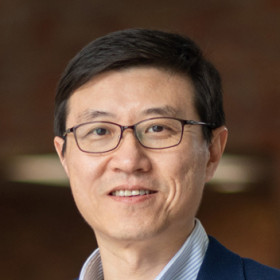
Prof. Lei SUN
Department of Biomedical Engineering
The Hong Kong Polytechnic University
Biography
- Professor in Department of Biomedical Engineering at The Hong Kong Polytechnic University
- Research interests include understanding the underlying mechanisms and possible translational strategies of using ultrasound to modulate cellular activities, such as neuromodulation or immunotherapy, investigating the potentials of ultrasound bio-effects for cancer therapy and diabetes, and multimodality molecular imaging and theranostics
- SRFS project — to develop a new version of sonogenetics specific for non-human primate (NHP) and investigate the performance in terms of cellular specificity, spatial accuracy, and penetration capability of this non-invasive method for modulating specific brain region of non-human primates. The success of this research will make a groundbreaking innovation to brain stimulation studies, adding a critical approach for brain stimulation with non-invasiveness, deep brain penetration, and precision. This strategy will open a new dimension for ultrasound brain stimulation to have a significant impact on public health related mental illness and neurological disorders, e.g. Parkinson’s disease, Alzheimer’s disease and depression. It may also become an enormously useful research tool in basic neuroscience.
- Awards and Honours:
- RGC Senior Research Fellow (2025)
Project Title
- Development of Sonogenetics for Non-human Primates
Award Citation
Prof Sun Lei is a professor at Department of Biomedical Engineering, The Hong Kong Polytechnic University with over 20 years of research and development experience in medical ultrasound technology. He is awarded the RGC Senior Research Fellow for a 5-year project aims to develop a specialized version of sonogenetics tailored for non-human primates (NHP), marking a pivotal shift toward human clinical applications.
The research investigates the performance of this non-invasive method across three critical dimensions: cellular specificity, spatial accuracy, and deep-tissue penetration. By pioneering a technology that overcomes the brain’s inherent complexity, this project provides a groundbreaking innovation for brain stimulation studies.
This strategy introduces a vital tool for both basic neuroscience and public health, offering a non-invasive, high-precision alternative for treating neurological and mental disorders, including Parkinson’s disease, Alzheimer’s disease, and depression.
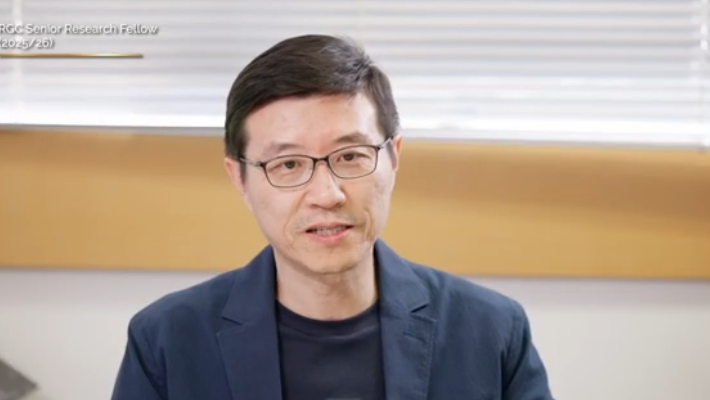
Short video of awardee